
INDIAN PHILOSOPHERS
|
INDIAN PHILOSOPHERS |
|
 Kautilya
Kautilya's Governance and Ethics: A Philosopher’s Insights
Kautilya, also known as Chanakya or Vishnugupta, was a pioneering philosopher and advisor in ancient India. His seminal work, the Arthashastra, is one of the earliest texts on statecraft, economics, and governance. His pragmatic approach to governance balances ethical considerations with realpolitik, making his insights especially relevant in political philosophy and administrative ethics.
Core Principles of Kautilya’s Governance:
- Raj Dharma (Duty of the King): The king’s primary responsibility is to ensure the welfare of his people, which he considered paramount. According to Kautilya, governance should focus on social order, justice, and the protection of citizens.
- Utilitarian Ethics: Kautilya advocated for actions that maximize the common good, even if they involve tough, sometimes morally complex decisions. He believed that the end (stability and prosperity of the state) justifies the means, reflecting an early utilitarian approach.
- Pragmatism and Realpolitik: Unlike idealists, Kautilya promoted a pragmatic approach to governance. He believed that rulers should be flexible and adaptive, considering the broader implications of their policies.
- Law and Order: Kautilya stressed the importance of strict law enforcement to maintain societal harmony. He proposed structured laws with clear rewards and punishments, emphasizing the rule of law as a cornerstone of governance.
Ethical Dimensions in Kautilya’s Philosophy:
- Ethics of Governance: Kautilya recognized that the ultimate ethical duty of a ruler is to act in the best interest of the people, which may require difficult decisions that might seem ethically ambiguous.
- Personal Integrity and Accountability: He emphasized that leaders should uphold personal integrity and avoid any forms of corruption, which could harm both the state and public trust.
- Preventive Diplomacy and Espionage: Kautilya also introduced the use of espionage as a tool for preventive diplomacy, aiming to ensure peace and stability while also cautioning against ethical misuse.
Legacy and Influence: Kautilya’s Arthashastra is still a cornerstone text in understanding governance, ethics, and administration, particularly in Indian political thought. His contributions emphasize a blend of ethics, duty, and realism in governance, bridging moral philosophy and practical statecraft.
Kautilya's work provides enduring lessons in governance by illustrating how ethical duties can be maintained alongside realistic strategies for stability and welfare—a nuanced approach that continues to inspire modern discussions on governance and political ethics.
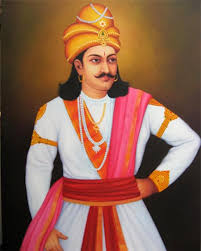 Ashoka’s Philosophy
Ashoka the Great, the third emperor of the Maurya dynasty, is celebrated for his transformation from a powerful conqueror to a compassionate ruler devoted to ethics, welfare, and justice. His philosophical outlook and ethical values, shaped by Buddhism, left an enduring impact on governance and ethical conduct in leadership. Here are some key aspects of Ashoka’s philosophical and ethical legacy:
Core Principles of Ashoka’s Philosophy
- Ahimsa (Non-Violence):
- Rooted in empathy and respect for life, Ashoka renounced violence after the Kalinga war.
- This principle guided his governance, promoting peace over military conquest.
- Dhamma (Moral Law):
- Central to his rule, Dhamma encapsulated values like truth, tolerance, and compassion.
- Aimed at fostering social harmony, it encouraged citizens to live morally responsible lives.
- Public Welfare:
- Ashoka prioritized the well-being of his people through healthcare, infrastructure, and education.
- His welfare-oriented policies illustrated a commitment to uplifting society rather than merely asserting power.
- Religious Tolerance:
- Recognizing the diversity of beliefs in his kingdom, Ashoka advocated for religious coexistence.
- His edicts emphasized respect for all religions, creating a culture of inclusivity.
- Environmental and Animal Protection:
- Ashoka showed reverence for all life forms, banning animal sacrifices and initiating laws to protect wildlife.
- His policies on animal and environmental protection reflected an early ethical stance on ecological responsibility.
Ethical Dimensions in Ashoka’s Philosophy
- Compassion as a Pillar of Leadership:
- Ashoka’s transformation to a compassionate ruler demonstrated a profound ethical shift, where empathy became the foundation of his policies.
- Respect for Diversity:
- His stance on religious tolerance showcased an ethical commitment to unity in diversity, respecting differences while promoting collective harmony.
- Responsibility Towards Society:
- Ashoka saw governance as a duty to serve and uplift society. His public welfare measures underscored the ethics of service and social responsibility.
- Accountability and Transparency:
- Ashoka used edicts to openly communicate moral guidelines, creating an environment of ethical transparency and guiding his people toward moral integrity.
- Personal Moral Integrity:
- By practicing the values he preached, Ashoka embodied ethical leadership, demonstrating that personal morality reinforces public trust.
Ashoka’s model of ethical governance and compassionate leadership set enduring standards for rulers worldwide. By prioritizing morality over power, Ashoka highlighted the role of ethical values in achieving a just and harmonious society.
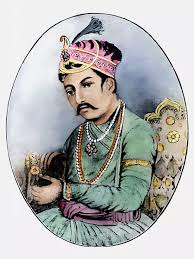 Emperor Akbar (1542–1605)
Core Principles:
- Sulh-e-Kul (Universal Tolerance)
Promoted religious tolerance and peaceful coexistence among diverse faiths, fostering social harmony and mutual respect. - Justice and Equity
Established impartial courts and reduced the Jizya tax on non-Muslims, highlighting fairness, equity, and moral integrity in governance. - Encouragement of Dialogue
Founded the Ibadat Khana to foster intellectual and ethical discourse, promoting philosophical openness and respectful engagement.
Ethical Dimensions:
- Religious Tolerance
Policies rooted in moral inclusivity and dignity of diverse beliefs, recognizing religious diversity as a moral asset. - Fair Governance and Social Responsibility
Focused on ethical governance and public welfare, ensuring equity and empathy in administration. - Humanitarian Rule
Demonstrated humanitarian ethics through reforms in taxation and economic practices, prioritizing social welfare and ethical leadership.
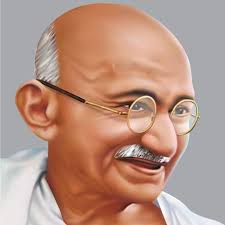 Mahatma Gandhi
Mahatma Gandhi, the emblematic leader of nonviolent resistance, significantly shaped India's independence movement through principles grounded in love, truth, and nonviolence. His vision, while revolutionary in the early 20th century, remains pertinent in today's complex world where socio-political issues continue to evolve.
Gandhi's Core Principles
1. Ahimsa (Nonviolence)
- Definition: Ahimsa, or nonviolence, is the cornerstone of Gandhi’s philosophy. For Gandhi, nonviolence was not merely the absence of physical violence but an active force of love and compassion.
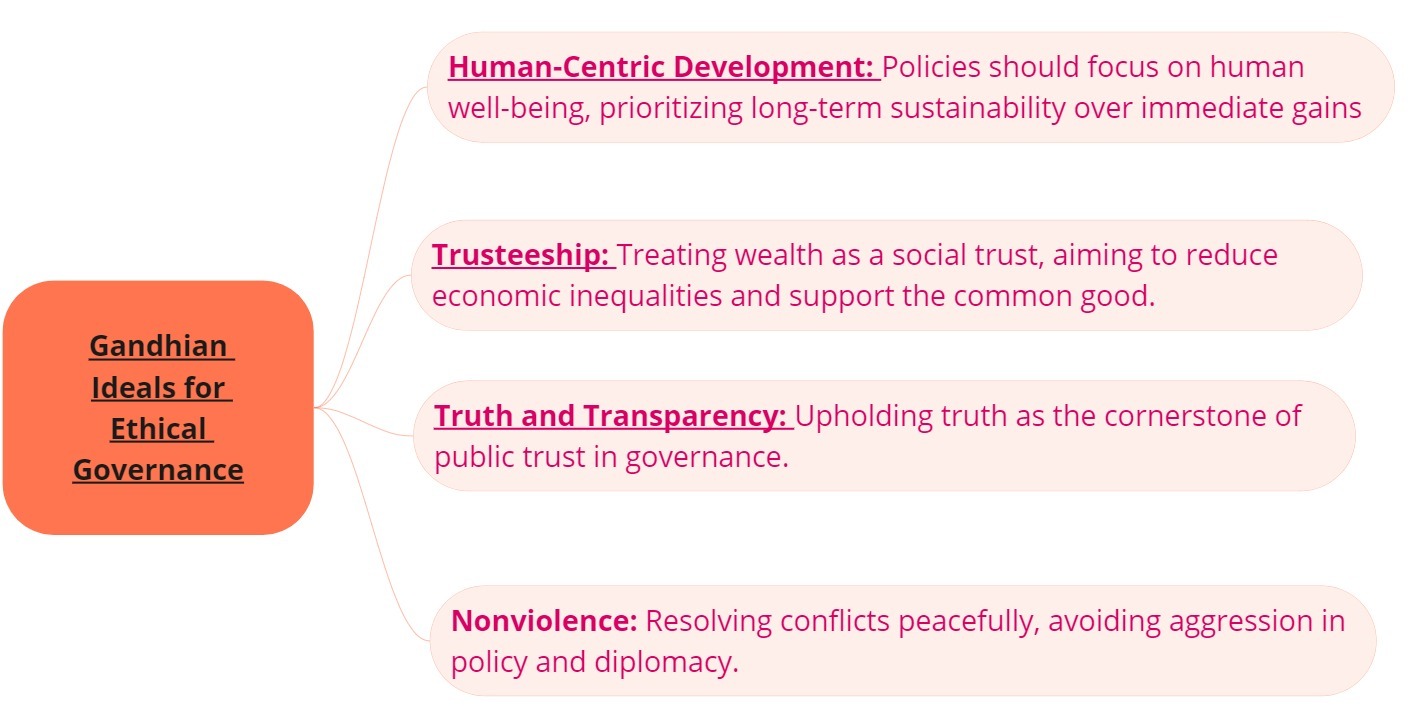
- Application: Nonviolence guided Gandhi's approach to resistance, emphasizing peaceful protest as a means of achieving social and political change. It remains a powerful principle for conflict resolution, civil rights movements, and diplomacy.
2. Satya (Truth)
- Definition: Truth, or Satya, was Gandhi’s guiding star. He believed that truth is God and that one’s life should be an expression of honesty, transparency, and integrity.
- Application: Gandhi practiced what he called “experiments with truth,” where he constantly refined his understanding and commitment to truth in every aspect of his life. In governance, Satya promotes accountability, transparency, and the ethical responsibility of leaders.
3. Swaraj (Self-Rule)
- Definition: While Swaraj initially meant independence from British rule, Gandhi expanded it to mean self-governance and self-discipline for individuals and communities.
- Application: Swaraj emphasized self-reliance and moral autonomy, urging individuals to take responsibility for their actions and communities to pursue self-sufficiency. This principle encourages sustainable development and local empowerment.
4. Sarvodaya (Welfare of All)
- Definition: Sarvodaya, or "the upliftment of all," reflects Gandhi's vision for a just society where the welfare of each individual is considered.
- Application: Sarvodaya emphasizes social equality, advocating for policies and practices that serve the needs of the entire community rather than a privileged few. This principle promotes economic justice, social harmony, and collective well-being.
5. Tapasya (Self-Sacrifice and Discipline)
- Definition: Tapasya involves self-discipline, sacrifice, and endurance for a higher purpose. Gandhi practiced it by embracing simplicity and renouncing personal comforts to serve society.
- Application: Tapasya is essential for leaders and citizens alike, encouraging dedication and resilience. Gandhi’s life of simplicity and self-sacrifice inspired others to adopt similar values for personal and collective betterment.
6. Trusteeship
- Definition: Gandhi’s concept of trusteeship was based on the idea that wealth and resources are not to be owned personally but held in trust for the community’s benefit.
- Application: In trusteeship, wealth is used to support the common good, reducing inequality and promoting a fairer distribution of resources. This principle calls for ethical capitalism, where wealth is directed toward societal development rather than individual profit.
Gandhiji’s Seven Sins: Ethical Guidelines for Governance
In his publication Young India, Gandhi outlined seven social sins, which are especially relevant in contemporary governance and ethics:
- Politics without Principles: Gandhi warned against the pursuit of power devoid of ethical standards, a sentiment resonating in today’s electoral politics.
- Wealth without Work: Economic systems should reward labor, not mere possession, addressing issues like corporate corruption and crony capitalism.
- Pleasure without Conscience: Self-indulgent behaviors, especially those harming the environment, underscore the need for responsible consumption.
- Knowledge without Character: Education must instill values alongside knowledge, fostering socially responsible individuals.
- Commerce without Morality: Businesses must balance profitability with social responsibility to curb exploitative practices.
- Science without Humanity: Technological advancement must align with ethical considerations, ensuring human dignity is preserved.
- Worship without Sacrifice: True reverence for humanity necessitates a selfless approach to societal contributions.
Gandhi's focus on nonviolence, truth, self-reliance, and moral integrity is increasingly relevant in an age where ethical governance often faces dilution. By infusing governance with these values, Gandhi’s teachings offer a path toward a just and humane society—a testament to his enduring legacy.
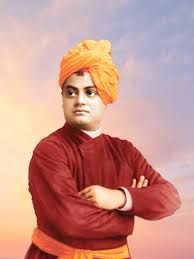 Swami Vivekananda
Swami Vivekananda, a disciple of Ramakrishna Paramahamsa, was a pioneering philosopher who promoted "Practical Vedanta"—a blend of rationalism and spirituality that aimed to empower individuals and uplift society. His teachings emphasized unity, self-reliance, and social service, seeking to combine Indian spiritual depth with Western scientific materialism for the holistic progress of humanity.
Core Principles:
- Practical Vedanta: Vivekananda’s philosophy, known as "Practical Vedanta," aimed at applying Vedantic teachings to address real-world problems. Inspired by Adi Shankaracharya's Advaita Vedanta, he proposed a universal, rational, and practical approach to spirituality. Vivekananda emphasized that personal spirituality should extend to societal upliftment, making Vedanta relevant in addressing poverty, education, and social inequality. His vision empowered the youth to be responsible citizens, balancing self-development with social contributions.
- Rationality and Scientific Temper: Vivekananda was a strong critic of blind superstition and emphasized rationality, promoting a balanced approach that harmonized science with spirituality.
- Spiritual Brotherhood: He advocated for a universal sense of brotherhood, famously emphasizing unity in his speech at the World Parliament of Religions in 1893, which fostered global respect for Indian spirituality.
- Empowerment and Service: His establishment of the Ramakrishna Mission was grounded in social service and education, aimed at empowering the youth and uplifting the marginalized, aligning with his belief in "service to humanity as service to God."
Ethical Dimensions:
- Empowerment through Education: Vivekananda saw education as the path to awaken individual potential, emphasizing character-building, resilience, and self-reliance.
- Social Responsibility: Through the Ramakrishna Mission, he promoted social reform and humanitarian work, upholding the values of compassion, service, and collective responsibility.
- Synthesis of Materialism and Spiritualism: He encouraged Indians to adopt Western scientific achievements and material advancements while retaining their spiritual values, advocating a balanced life of material progress and ethical grounding.
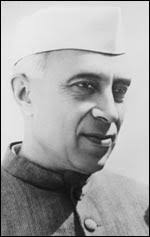 Jawaharlal Nehru
Jawaharlal Nehru, India's first Prime Minister, was a visionary leader whose commitment to democracy, secularism, and scientific temper laid the foundational pillars for modern India. Influenced by Western liberalism and socialist ideals, Nehru championed social justice, inclusive governance, and economic planning, shaping India’s path toward a progressive, secular, and democratic society.
Core Principles:
- Democratic Ideals: Nehru's political ideology was deeply democratic, reflecting his commitment to democratic governance, civil liberties, and institutional autonomy. Nehru’s contributions to building India's institutions were underpinned by his dedication to secularism, democracy, and social justice. His approach shaped India’s initial economic policies and strategic foreign relations, promoting peaceful coexistence, inclusivity, and progressive reforms.
- Secularism: Nehru believed in a secular state where religion and government were distinct. He worked to create a nation where diversity of faiths coexisted peacefully, emphasizing rationality over religious influence in public life.
- Socialism and Mixed Economy: Nehru championed a “socialistic pattern of society” with a mixed economy model, advocating for state ownership in key sectors while supporting private enterprise to foster inclusive growth.
- International Peace and Non-Alignment: As a proponent of peace and self-determination, Nehru was instrumental in forming the Non-Aligned Movement (NAM) and advocating “Panchsheel,” a set of five guiding principles for peaceful coexistence in international relations.
Ethical Dimensions:
- Integrity and Accountability: Nehru maintained ethical standards in politics, often addressing governmental criticism transparently and encouraging constructive opposition.
- Secular Ethics: He upheld secular ethics by championing scientific temper and rationality, promoting an inclusive society that respected all religions without state interference.
- Humanitarianism and Anti-Colonialism: Nehru was a voice against imperialism and colonial oppression, supporting liberation movements worldwide, emphasizing ethical governance in foreign relations, and fostering international solidarity.


.svg.png)


